
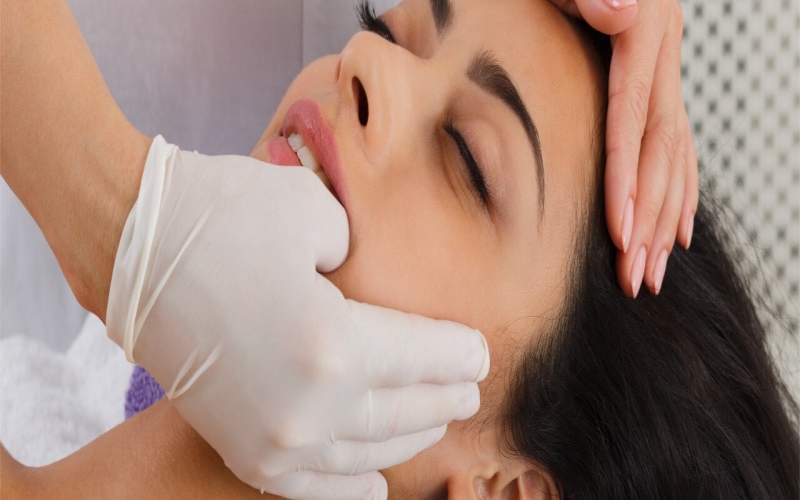
Problems with the temporomandibular joint (TMJ) can cause significant discomfort and interfere with speaking, eating, and sleeping. While pharmaceutical and dental procedures are frequently the emphasis of traditional treatments, massage therapy is an all-encompassing, non-invasive method that is becoming more and more well-liked. This article will discuss the specifics of TMJ issues, their origins, and how massage therapy 광안리출장안마 can be a calming and helpful treatment to reduce symptoms and enhance jaw function.
Recognizing TMJ Issues
Your jaw and the temporal bones of your skull are connected by the temporomandibular joint, which functions as a hinge to allow you to open and close your mouth quickly. Temporomandibular joint disorders (TMD or TMJ issues) are a group of symptoms that can arise from this joint being misaligned or malfunctioning. Jaw pain, popping or clicking noises, trouble chewing, headaches, and even pain in the neck and shoulders are common symptoms.
Reasons for TMJ Issues
TMJ issues can arise for various reasons; each person will experience them differently. Typical causes include some of the following:
Bruxism (Teeth Grinding or Clenching): The TMJ can become strained due to excessive teeth grinding or clenching, frequently done unintentionally while you sleep.
Stress and Anxiety: Physical signs of emotional stress include clenching of the jaw and tension that affects the TMJ.
Bad Posture: Over time, poor posture can exacerbate difficulties with the alignment of the jaw and cause problems with the TMJ.
Arthritis: The TMJ can be impacted by inflammatory joint diseases such as arthritis, which can be uncomfortable.
Trauma or Injury: TMJ dysfunction may arise from physical trauma to the jaw, such as a blow or impact.
Massage Therapy for Issues with the TMJ
An all-encompassing, non-invasive method of treating TMJ issues is massage treatment. Massage helps release stress and enhance joint function by focusing on the muscles around the jaw and encouraging relaxation. Here are some advantages of massage therapy:
Relaxation of the muscles: Effleurage and kneading are two massage methods that assist in alleviating tension in the muscles surrounding the jaw. This relaxation of the muscles might lessen the strain on the TMJ and ease related pain.
Better Blood Circulation: Massage improves blood flow to the affected area, which aids in the TMJ’s healing process and lowers inflammation.
Stress Reduction: Massage helps to relax the nervous system, which lessens the chance of clenching and tensing the jaw. Stress is a common cause of TMJ issues.
Increased Range of Motion: A massage can help the jaw become more flexible and mobile, which makes movement more comfortable and seamless.
Trigger Point Therapy: Massage therapists can relieve knots and tightness that aggravate the temporomandibular joint (TMJ) by focusing on particular trigger points in the jaw muscles.
Massage Techniques for TMJ Issues
Effective treatment for TMJ issues can involve the use of several massage techniques, including:
Myofascial Release: This method relieves tension in the connective tissue that envelops muscles and organs, known as fascia. It can be especially helpful in easing tension associated with the TMJ.
Craniosacral therapy is a gentle, hands-on method that can help balance the TMJ and lessen pain. It involves delicate manipulations of the skull and spine.
Swedish massage: This popular massage helps ease tension and stress, which can worsen TMJ issues and promote general relaxation.
Deep Tissue Massage: This massage is excellent for reducing chronic muscular tension since it can target specific jaw muscle tight spots.
Trigger Point Therapy: This method helps reduce the localized discomfort and tension linked to TMJ issues. It focuses on releasing trigger points, or knots, in the muscles.
Including Massage in Your Daily Routine for TMJ Care
Take into account the following advice to get the most out of massage therapy for TMJ issues:
Frequent Sessions: Schedule regular massages to continue the advantages of stress relief and muscular relaxation.
At-Home Self-Care: Your massage therapist could suggest particular exercises or self-massage methods to continue the treatment at home.
Dental Consultation: Although massage therapy is a helpful adjunct to TMJ treatment, a dental professional’s advice is essential to address any structural concerns that may be causing the condition.
Healthy Habits: Besides the advantages of massage therapy, adopting 연산동출장마사지 healthy habits can help reduce stress, promote good posture, and avoid excessive teeth grinding.
In summary
The soothing touch of massage treatment is a promising path for relief for individuals suffering from TMJ issues. Massage can be beneficial in controlling and reducing TMJ problems since it relieves muscular tension, encourages relaxation, and improves general jaw function. Incorporating massage treatment into your practice for treating TMJ disorders will help you achieve better jaw health and general well-being. Experience the calming effects of touch.