
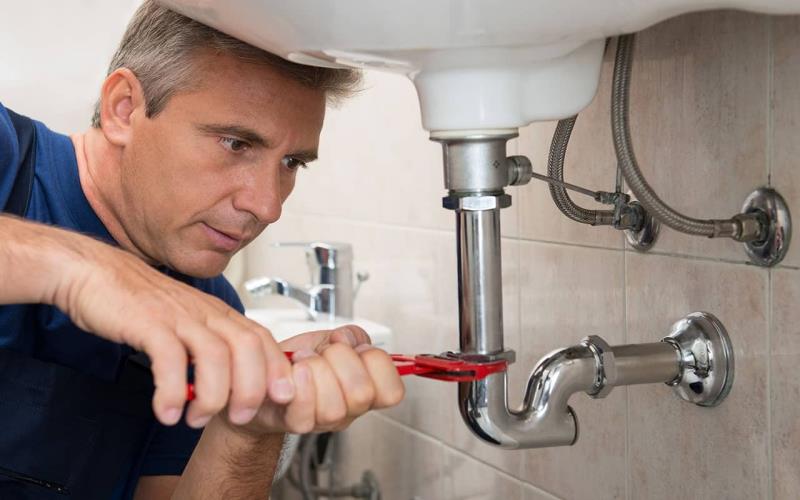
Importance of Preventive Maintenance
By conducting regular checks and applying necessary upgrades, homeowners can avoid the hassle of unexpected disruptions and costly repairs. Many plumbing issues, such as leaks and clogs, can be identified early and mitigated before escalating into serious problems. According to a recent article from Forbes, preventive measures can extend the life of your plumbing infrastructure and improve its overall efficiency. Whether it’s minor checks or seeking professional plumbing services, maintaining your system can save you from future headaches and significant financial burdens.
DIY vs. Professional Maintenance
While DIY maintenance can handle minor issues, specific tasks require professional expertise to execute them properly. Understanding the limits of DIY plumbing can be crucial for the safety and efficiency of your home. To resolve them correctly and safely, a certified professional should address complex plumbing problems such as extensive pipe damage, major leaks, or significant appliance malfunctions. DIY methods can be effective for addressing minor issues. However, more complex problems require specialized knowledge and equipment from a plumbing contractor. For instance, professionals with the proper tools and expertise best handle a blocked sewer line or water heater issues. Attempting to fix these alone could lead to more damage and higher repair costs.
Common Plumbing Issues That Can Be Prevented
Many common plumbing problems are preventable with regular maintenance routines. Here are a few issues that proactive homeowners can often avoid:
- Leaks and drips can occur from faucets, pipes, and other fixtures. Regular inspections can help identify small leaks before they become significant issues.
- Clogged drains: A common issue in kitchens and bathrooms, blocked drains can often be prevented by avoiding flushing inappropriate items and using filters to catch debris.
- Low water pressure: Often caused by buildup in pipes or leaks, low water pressure can be prevented with regular cleaning and inspections.
- Water heater malfunctions: Routine maintenance of your water heater can prevent common issues such as insufficient hot water or complete unit failure.
Simple preventive actions can help stave off these common issues. For instance, routine inspections can identify small leaks before they escalate into major problems, saving time and money in the long run. Monitoring the state of your plumbing regularly and fixing minor issues quickly can significantly impact the overall well-being of your home’s plumbing system.
Seasonal Plumbing Maintenance Tips
Different seasons bring different challenges to your plumbing system. It’s essential to adapt your maintenance routines to address seasonal changes effectively. Here are some tailored tips for winter and summer:
Winter
- Insulate pipes to prevent freezing: Frozen pipes can burst, causing extensive water damage. Insulating pipes in unheated areas can help prevent this.
- Check for leaks and repair them: Small leaks can cause significant problems during colder months due to potential freezing and expansion.
- Maintain a minimum indoor temperature: Ensure your home temperature stays above freezing, particularly in plumbing areas.
Summer
- Inspect sprinkler systems: Ensure all components function correctly to avoid water waste and potential leaks.
- Check for sewage backups: Summer rainstorms can overwhelm sewer lines, so inspecting them is essential.
- Ensure that rain gutters are clear: Clear gutters can prevent water from spilling onto the foundation, which can cause plumbing issues over time.
Season-specific maintenance ensures that your plumbing system remains effective throughout the year. For example, insulating pipes during winter can prevent freezing and bursting, leading to extensive and costly repairs. Similarly, maintaining your sprinkler system in the summer ensures optimal performance and water conservation.
Water Conservation Tips
Water conservation is good not only for the environment but also for your wallet. By implementing effective conservation strategies, households can significantly reduce their water consumption and decrease utility expenses. Here are some simple yet effective tips to help you save water:
- Install low-flow fixtures: These fixtures reduce water flow while maintaining pressure, saving significant amounts of water without sacrificing performance.
- Fix leaks: Small leaks can lead to significant water loss over time. Quickly fixing them can save thousands of gallons annually.
- Use water-efficient appliances: Contemporary devices like dishwashers and washing machines are created to minimize water usage, making them an excellent choice for water conservation.
Implementing these tips can help you conserve water and reduce your utility bills. Simple actions like fixing leaks promptly can save thousands of gallons of water annually. Additionally, investing in water-efficient appliances and fixtures contributes to water conservation and enhances the overall efficiency of your plumbing system.
Being Ready for Plumbing Emergencies
Plumbing emergencies may occur at any time, frequently catching you by surprise. Being prepared can make all the difference in minimizing damage and stress. Knowing how to shut off your water supply and having essential tools on hand can make all the difference in a plumbing emergency. Knowing the basics of your home’s plumbing system, such as the position of shut-off valves, can enable you to react swiftly to minimize additional harm before a professional comes. Having the contact information for a reliable plumbing service on your phone is wise. Reacting promptly during an emergency can stop minor problems from turning into major disasters. If a pipe unexpectedly breaks, understanding how to turn off the main water valve can help prevent severe water damage to your house until professional assistance arrives.
Best Practices for Long-Term Plumbing Health
Adopting best practices is vital for your plumbing system’s long-term health and efficiency. Adding these practices to your regular home maintenance routine can assist in keeping your plumbing system in excellent shape. Here are some best practices to consider:
- Regular inspections: Schedule inspections to catch potential issues early and address them before they escalate.
- Timely repairs: Address minor issues promptly to avoid costly and extensive repairs.
- Quality installations: To prevent future problems, ensure that new installations, whether small fixtures or significant appliances, are performed to the highest standards.
Adopting these best practices will ensure your plumbing system’s long-term health and efficiency. Regular inspections can catch potential problems early, while timely repairs and quality installations can significantly extend the life of your plumbing infrastructure. Maintaining a proactive approach can avoid many common issues and allow you to enjoy a reliable and efficient plumbing system for years.
Conclusion and Final Thoughts
Avoiding plumbing problems is accomplished by taking proactive measures through preventive maintenance. By implementing the advice and top recommendations in this article, you can guarantee a plumbing system that is effective and in good condition for many years. Taking simple steps today, like performing seasonal maintenance and knowing when to call in professionals, will pay off in the long run. Performing regular checks, addressing minor issues promptly, and investing in professional services when necessary are all critical components of an effective preventive maintenance strategy.
In the end, a well-maintained plumbing system enhances the comfort and convenience of your home and contributes to its overall value. By staying proactive and adopting a diligent maintenance routine, you can prevent many common plumbing problems and enjoy a smoothly functioning system. Do not delay; begin preventive maintenance today to have the peace of mind that comes with a well-maintained home.