
Key Takeaways
- Understanding the benefits and applications of commercial tiles.
- How to choose suitable tiles for different commercial spaces.
- The role of sustainable and durable materials in modern workspace design.
Benefits of Commercial Tiles in Modern Workspaces
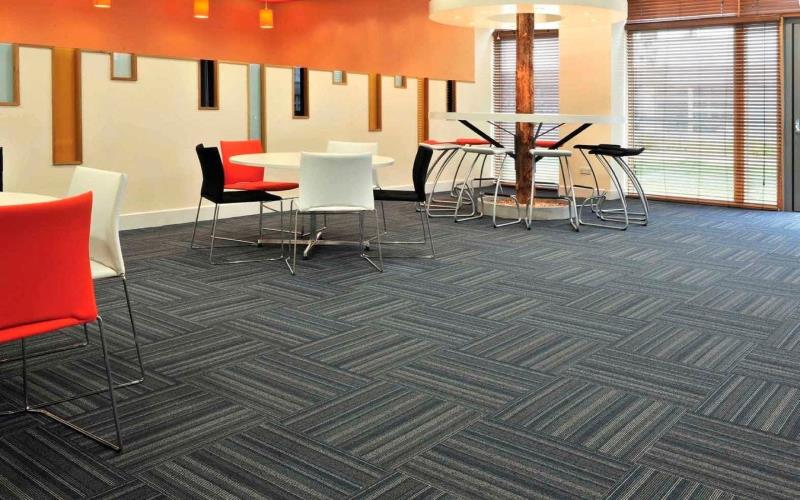
Commercial tiles offer many benefits that are suitable for enhancing modern workspaces. Not only are they incredibly durable and low maintenance, but they also provide a wide range of aesthetic options. From sleek and modern designs to rich and textured finishes, commercial tile projects can significantly boost the visual appeal of any workspace. These tiles come in various materials such as porcelain, ceramic, and natural stone, ensuring an option to suit every taste and requirement. Commercial tiles are versatile and can produce powerful or subtle design statements, depending on the workplace area that needs to be established. Additionally, their resilience makes them ideal for high-traffic areas where wear and tear are a concern.
Choosing the Right Commercial Tiles
The choice of tiles for a commercial space depends on factors such as foot traffic, aesthetics, and functional requirements. High-traffic areas like office lobbies and corridors require durable porcelain and ceramic tiles, while private offices or conference rooms can experiment with more intricate designs. The desired aesthetic can also influence the overall ambiance, with contemporary or classic designs influencing the overall ambiance. Functional requirements also play a crucial role, with kitchen tiles needing to be slip-resistant and easy to clean, while executive offices may prioritize luxury and sophistication. Therefore, the choice of tiles is essential for the overall aesthetic and functionality of the space.
Applications of Commercial Tiles in Different Spaces
Commercial tiles are used in various settings, such as hospitals, retail stores, educational institutions, and corporate offices. They must be easy to clean, sterile, visually striking, durable, and maintain. Hospitals require antimicrobial properties and minimal grout lines to prevent bacterial growth. Retail stores use large format tiles with vibrant designs to enhance customer experience and drive foot traffic. Educational institutions prioritize slip resistance and ease of maintenance. Corporate offices focus on creating a professional yet comfortable atmosphere using a combination of textures and finishes to define different workspace areas.
Sustainable and Durable Materials
Eco-conscious design is gaining prominence in modern commercial spaces, with eco-friendly flooring options like recycled materials and sustainably sourced tiles becoming increasingly popular. These sustainable tiles, made from recycled glass, reclaimed wood, or post-industrial waste, contribute to environmental conservation and offer enduring durability. Energy-efficient manufacturing techniques are employed to reduce greenhouse gas emissions and energy consumption. Investing in eco-friendly tiles can enhance a company’s reputation as a responsible and forward-thinking organization, appealing to environmentally conscious clients and employees. Sustainable tiles offer superior durability and longevity, making them a wise investment for commercial applications.
Design Trends in Commercial Tiles
Current design trends are focusing on creating a contemporary and engaging workspace. Natural, minimalistic designs are popular, with large format tiles mimicking natural materials like wood, stone, and concrete. Innovative patterns and textures provide a unique visual experience. Geometric patterns, 3D textures, and mixed media designs can create eye-catching feature walls. Biophilic design, incorporating natural elements, promotes relaxation and reduces stress. Open, collaborative workspaces are characterized by tiles defining different zones, creating a seamless blend of functionality and aesthetics. This approach creates a connection with nature and promotes employee well-being.
Installation and Maintenance Tips
Proper installation of commercial tiles is crucial for their longevity and performance. Professional installers ensure proper installation, minimizing potential issues. A well-installed tile floor can withstand heavy foot traffic and daily wear and tear. The use of appropriate adhesives and grouts is essential for durability and appearance. Regular maintenance is crucial for maintaining the aesthetics and functionality of the workspace. Regular cleaning and sweeping prevent dirt build-up, while sealing grout lines protects them from stains and moisture penetration. Promptly repairing chipped or cracked tiles prevents further damage and maintains the floor’s integrity.
Conclusion: Making the Most of Commercial Tiles
Commercial tiles offer durability, ease of maintenance, and aesthetic versatility in workspaces. Professional installation and thoughtful design contribute to functional and visually captivating environments. Investing in high-quality tiles enhances the experience of employees, clients, and visitors, contributing to a positive work environment. As businesses evolve, commercial tiles remain a reliable and stylish choice for creating dynamic and enduring workspaces, reflecting modern-day values of environmental responsibility and supporting productivity.