
Introduction to Dental Procedures
Dental health is a cornerstone of general well-being, impacting not just the ability to eat and speak but also a significant role in overall physical and mental health. Despite this, navigating dental care can seem daunting with the many procedures and treatments available today. Root canals and crowns are two of the most common methods that evoke apprehension. Understanding what these involve and their importance in the grand scheme of dental health can alleviate anxiety and empower patients in their healthcare journey. Identifying effective tooth pain relief becomes a priority for those grappling with discomfort, emphasizing the need for accessible, accurate information about treatment options.
The Role of Crowns in Dental Health
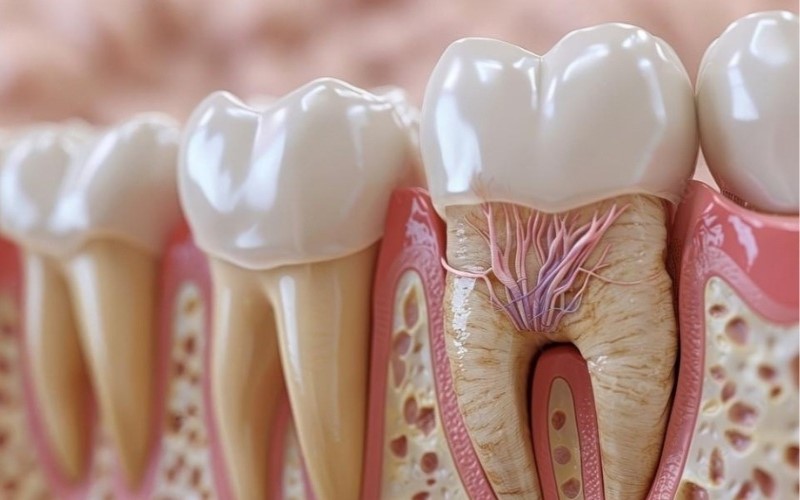
A crown is essential for restoring functionality and appearance after a root canal or when a tooth is cracked or worn down. Crowns act as a cap that strengthens the tooth’s structure while enhancing its look. They are vital in supporting teeth that have lost mass or undergone significant repairs. At Advanced Smiles Marion, crowns can be made from various materials, including zirconia, gold, porcelain, and ceramic. Patients can choose from these options based on their preferences and dental needs, as each material offers distinct benefits, such as improved durability or a more natural appearance. Understanding the role and benefits of crowns contributes to making informed decisions regarding dental health.
Demystifying Root Canals
Root canals have a fearsome reputation, often depicted as the benchmark for unpleasantness in dental care. This misconception frequently stems from outdated practices and a need for more understanding of the procedure. A root canal is a technique employed to repair a tooth that has suffered severe damage or decay. It entails extracting the injured pulp, cleaning the tooth’s inner chamber, and sealing it to stop further infections. This procedure is usually performed under local anesthesia, making it relatively painless and comparable to getting a filling. Modern advances have made root canals much quicker and less intimidating than they’re often perceived. When considering the necessity of such a procedure, it’s valuable to consult detailed and reliable resources, such as this comprehensive guide on root canal treatments, to help demystify the process.
Crunching the Numbers: What to Expect Cost-Wise
It is just as crucial to comprehend the financial components of dental operations as it is to understand the medical specifics. Costs can be significantly impacted by several variables, including the intricacy of the procedure, the dental office’s location, and the practitioner’s level of expertise. It is recommended that patients consider these factors to make well-informed decisions regarding their dental treatment. A root canal typically costs a few hundred to more than a thousand dollars, depending on the tooth being treated and local pricing differences. Crowns add additional expenses, often costing a similar amount. Patients must thoroughly discuss all potential costs with their dentist upfront to avoid surprises and plan accordingly. It’s also beneficial to discuss insurance coverage details and see what portion of the procedure, if any, will be covered under their plan.
Managing Dental Costs: Tips and Strategies
Financial planning is crucial in managing dental health costs effectively. Start by reviewing current dental insurance policies to ascertain coverage limits and tackle gaps proactively. Additionally, consider establishing a healthcare savings fund dedicated to potential out-of-pocket expenses. Exploring various financial assistance programs and patient financing plans might benefit individuals lacking insurance. These programs can ease the burden, providing necessary support to those in need. The Centers for Disease Control and Prevention provide information about oral health initiatives that meet various needs for anyone interested in investigating such help.
Preventive Care: The Best Cost-Effective Approach
Prevention remains the most effective method for controlling dental costs. By following a regular dental care regimen that includes routine brushing, flossing, and expert cleanings, patients can dramatically lower their chance of developing severe tooth problems. Moreover, a diet low in sugars and rich in fiber can fortify dental health and stave off issues associated with tooth decay. Regular dental check-up visits enable early detection of potential problems, allowing for less invasive and more budget-friendly interventions. Preventive care is not just about brushing away potential costs; it’s about cultivating healthier lifelong habits.
Finding the Right Dental Professional
Selecting an appropriate dental professional is essential in ensuring quality dental care. Qualities to seek in a dentist include practical communication skills and making patients feel at ease. Reading through patient reviews and testimonials can offer insights into a dentist’s track record and patient rapport. Making the most of dental visits involves:
- Being proactive and prepared.
- Keeping open lines of communication with the dental team.
- Ensuring any dental history is well documented and discussed.
Establishing a long-standing relationship with a trusted professional ensures continuity of care, often leading to better, more personalized health outcomes.
Conclusion: Empowered Dental Decisions
Making educated dentistry decisions that can improve health and long-term general well-being requires knowledge, which is a potent weapon. Patients can confidently navigate their dental health journey by understanding dental procedures, associated costs, and preventive care strategies. Ultimately, prioritizing dental health is integral to maintaining one’s quality of life, ensuring that smiles remain bright and natural health remains robust.