
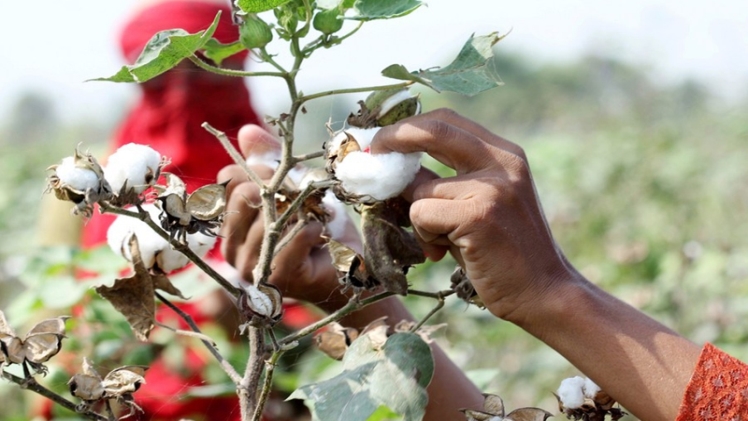
Cotton is one of the most widely grown and utilized natural fibers globally, with a significant impact on the textile industry. However, the environmental consequences of cotton harvesting, particularly concerning its processing, are often overlooked. In this critical analysis, we delve into the environmental implications of cotton cultivation, focusing on its processing stages. From water consumption to chemical usage and land degradation, the processing of cotton presents a range of challenges that demand attention and sustainable solutions.
Understanding Cotton Processing
Before delving into the environmental impact, it’s crucial to understand the process involved in cotton production. Cotton cultivation typically involves planting, irrigating, harvesting, and processing the fibers to make them suitable for textile production. Processing involves various stages such as ginning, spinning, weaving, and dyeing, each with its own set of environmental concerns.
Water Consumption and Depletion
One of the most significant environmental issues associated with cotton processing is its high water consumption. Cotton is a notoriously thirsty crop, requiring substantial irrigation, especially in regions with arid climates. According to the World Wildlife Fund (WWF), it takes approximately 2,700 liters of water to produce enough cotton for a single t-shirt, highlighting the strain on water resources.
Excessive irrigation for cotton cultivation can lead to the depletion of aquifers and water bodies, exacerbating water scarcity in already water-stressed regions. Furthermore, irrigation practices often involve inefficient water use, leading to wastage and environmental degradation. Addressing water management in cotton cultivation is critical for mitigating its environmental impact.
Chemical Usage and Pollution
Another significant concern regarding cotton processing is the extensive use of chemicals, including pesticides, herbicides, and fertilizers. Cotton cultivation is notorious for its heavy reliance on pesticides, making it one of the most chemically intensive crops globally. These chemicals not only harm the environment but also pose health risks to agricultural workers and nearby communities.
Furthermore, cotton fibers undergo treatments such as bleaching, dyeing, and finishing during the processing stages, often involving toxic chemicals. Improper disposal of these chemicals can lead to water and soil pollution, affecting ecosystems and biodiversity. Additionally, the runoff from cotton fields and processing facilities can contaminate nearby water sources, further exacerbating environmental degradation.
Land Degradation and Biodiversity Loss
Cotton cultivation also contributes to land degradation, primarily through deforestation and soil erosion. Large-scale cotton farming often involves clearing vast tracts of land, leading to habitat loss and fragmentation. This habitat destruction can have detrimental effects on local wildlife populations, leading to biodiversity loss and ecosystem disruptions.
Moreover, intensive farming practices, such as monoculture and excessive tillage, can degrade soil quality and fertility over time. Soil erosion, exacerbated by factors like improper irrigation and inadequate soil management, further exacerbates land degradation. Sustainable farming practices, such as crop rotation and agroforestry, are essential for preserving soil health and biodiversity in cotton-growing regions.
Energy Consumption and Greenhouse Gas Emissions
The processing of cotton fibers also has significant energy requirements, contributing to greenhouse gas emissions and climate change. From the operation of machinery in processing facilities to transportation and distribution, the entire cotton supply chain relies heavily on fossil fuels. This reliance on non-renewable energy sources contributes to carbon emissions and exacerbates resource depletion and environmental pollution.
Furthermore, the production of synthetic fertilizers and pesticides used in cotton cultivation also contributes to greenhouse gas emissions, as they are manufactured through energy-intensive processes. Addressing energy consumption and transitioning to renewable energy sources is crucial for reducing the carbon footprint of cotton processing and mitigating climate change impacts.
Sustainable Solutions and Innovations
Despite the environmental challenges cotton processing poses, promising solutions and innovations aim to mitigate its impact. Sustainable farming practices, such as organic cotton cultivation and integrated pest management, can reduce reliance on chemical inputs while promoting soil health and biodiversity. Water-saving technologies, such as drip irrigation and rainwater harvesting, can improve water efficiency in cotton farming.
In the processing stage, advancements in eco-friendly dyes and chemicals offer alternatives to conventional toxic treatments, reducing pollution and health risks. Moreover, initiatives promoting circular economy principles, such as recycling and upcycling cotton waste, can minimize resource consumption and waste generation in the textile industry.
Government regulations and industry standards also play a crucial role in promoting sustainability in cotton production and processing. Implementing stricter environmental regulations, promoting certification schemes, and incentivizing sustainable practices can encourage businesses to adopt more eco-friendly approaches.
Conclusion
The environmental impact of cotton harvesting, particularly concerning its processing, is a complex issue with far-reaching consequences. From water consumption and chemical pollution to land degradation and greenhouse gas emissions, cotton cultivation and processing pose significant challenges to environmental sustainability.
However, with concerted efforts from stakeholders across the cotton supply chain, including farmers, manufacturers, policymakers, and consumers, there is hope for a more sustainable future. By adopting innovative technologies, implementing best practices, and promoting responsible consumption, we can minimize the environmental footprint of cotton processing while ensuring a thriving textile industry for generations to come.